
Influencer Marketing: The Rapidly Growing Tool for Brand Awareness in the Fast-Casual Franchise Industry
Influencer marketing has exploded in popularity over the past few years. Brands across sectors leverage influencers on social media platforms like Instagram, TikTok, and YouTube to drive brand awareness and sales.
But what exactly is influencer marketing, and how does it help brands like The Great Greek Mediterranean Grill and their franchisees build their online presence? This in-depth guide will explore how partnering with influencers provides an authentic way for brands to connect with target audiences and boost their brand awareness. We will look at real-world examples of influencer marketing campaigns run by The Great Greek, best practices for success, and the future of this rapidly evolving promotional strategy.
What is Influencer Marketing?
Influencer marketing is a form of marketing that focuses on leveraging individuals who influence potential buyers to help drive a brand’s message. It involves brands partnering with influencers on social media to promote products or services.
The premise is that recommendations from influencers are more authentic and trustworthy than traditional advertisements. Influencers have built a reputation for expertise and credibility with their following in a particular niche. When they recommend a product, their followers are more likely to try it.
There are several types of influencers that brands can partner with:
- Mega-influencers – Celebrities with over 1 million followers. They have the most extensive reach but are also the most expensive to work with and may seem less authentic.
- Macro-influencers – Have between 100k and 1 million followers. Often, they focus on niches like fitness, fashion, or food. It is more affordable but still has good reach.
- Micro-influencers– Typically have 1k to 100k followers. They are viewed as the most authentic by their niche audience. Less expensive to partner with.
Brands often use a mix of influencer types to get the right balance of reach and authenticity. The key is finding influencers whose followers align with the brand’s target demographic.
Why Influencer Marketing Works in the Franchise Restaurant Industry
Influencer marketing has become an extremely effective tactic for brands because influencers are seen as more authentic and trustworthy information sources than traditional advertising. Social media influencers have worked hard to build relationships with their followers and nurture engagement, so their audiences are more receptive to their recommendations.
Additionally, influencers often cater to specific niches and target audiences relevant to a brand. Rather than trying to reach all potential customers broadly, brands can leverage influencers to get their messaging out to the most likely buyers. For example, an influencer focused on cooking can showcase a restaurant’s offerings to a hyper-targeted group of foodies.
Finally, influencers are masters at creating high-quality, engaging content on social platforms. They know what type of posts will resonate with their followers and the best ways to creatively feature products. An influencer can bring a brand to life better through photos, videos, stories, and written narratives than the brand can on its channels. This authentic, creative content helps drive brand awareness and conversions.
Influencer marketing has proven highly effective because influencers have trust and relevancy with their niche audiences. This allows them to organically integrate branded messaging into compelling content that promotes products with integrity.
Influencer Marketing for Brand Awareness
Influencer marketing is a powerful way for brands like The Great Greek Mediterranean Grill to increase awareness. Partnering with influencers who align with your brand helps expose it to new audiences and expand its reach. According to one study by LINQIA, over 90% of marketers say influencer marketing successfully increases brand awareness.
When influencers showcase your brand authentically to their followers, it creates an emotional connection and humanizes your business. People trust recommendations from influencers they admire and relate to. If an influencer highlights enjoying a meal at The Great Greek, their engaged audience is likelier to take an interest in trying it, too. This is especially true when partnering with niche influencers in categories like food, family, and lifestyle who attract your ideal customers.
Influencer marketing also enables tapping into new demographics and locations. An influencer based in a city you are expanding to could spotlight your new restaurant opening and excite locals. The right influencer partnerships make your brand discoverable to fresh audiences. It gives you exposure you may not receive through your channels alone. Check out these 6 Influencer Marketing Trends To Watch In 2024 by Forbes Magazine.
Influencer Marketing at The Great Greek Mediterranean Grill
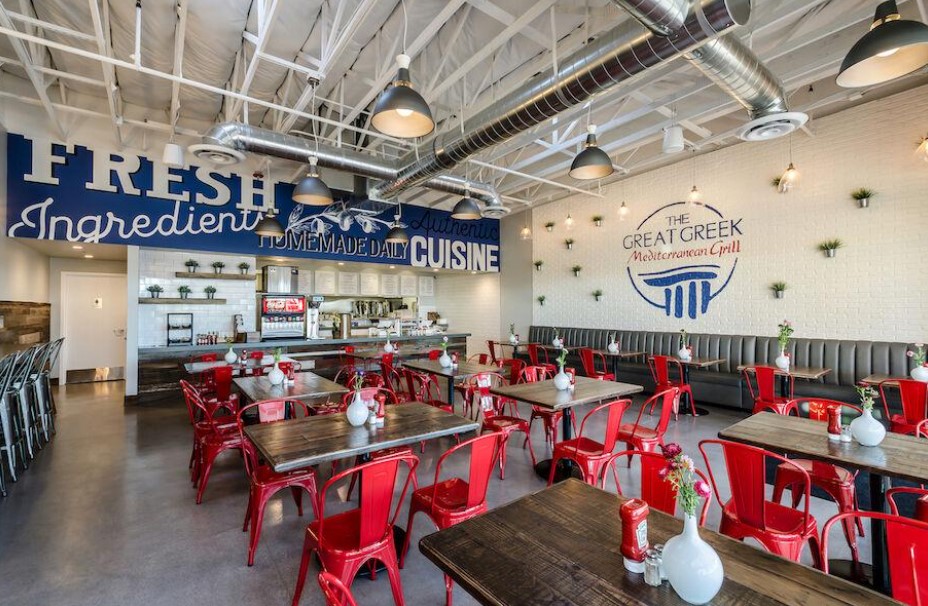
The Great Greek Mediterranean Grill has developed an effective influencer marketing strategy to drive brand awareness and showcase their delicious Mediterranean menu items. By partnering with influencers on Instagram and TikTok, The Great Greek can authentically promote their brand to new audiences.
The Great Greek looks to partner with influencers with an engaged following that matches their target demographic. They work with a mix of micro and macro influencers to generate buzz around their brand. Some examples of successful influencer partnerships include:
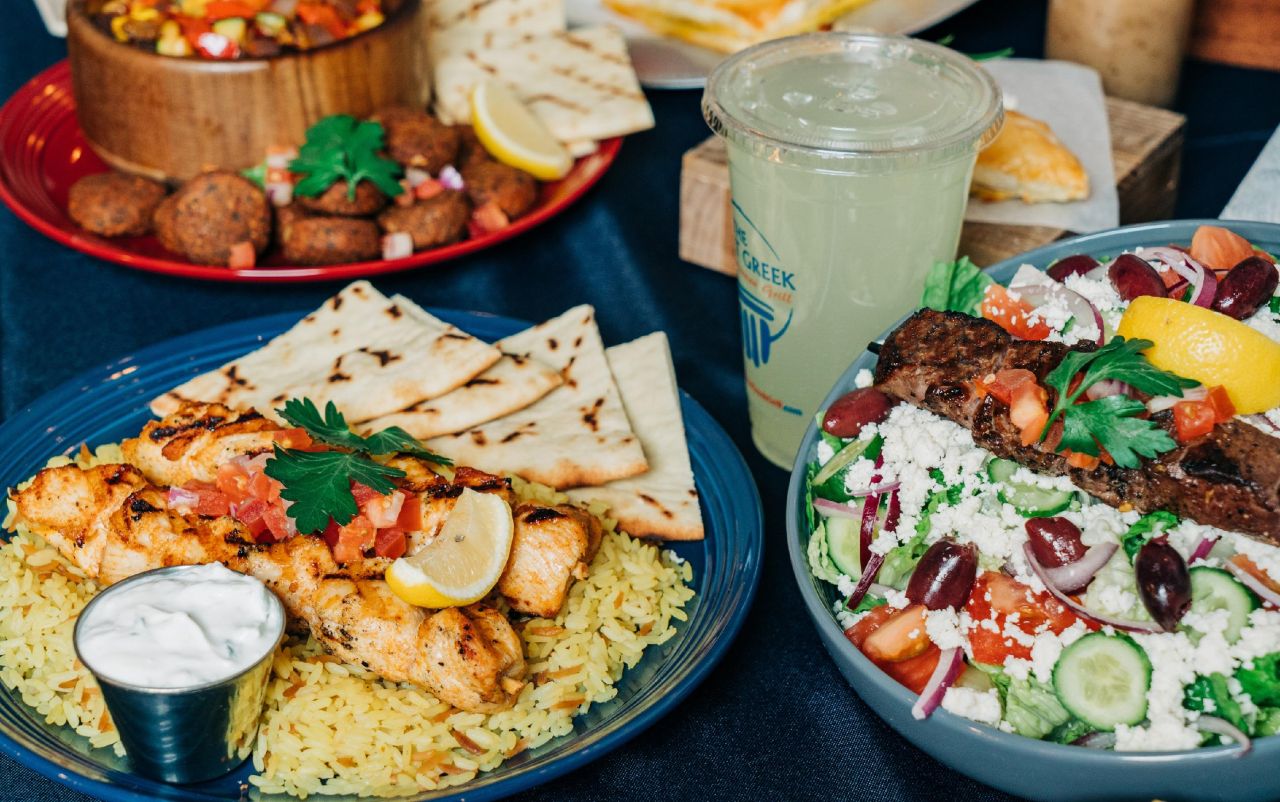
- Sarah (@sarahfoodie, 357k Instagram followers) – Posted a series of Instagram stories showcasing her delivery order from The Great Greek. She highlighted menu items like the Spanakopita, Lamb Souvlaki, and Baklava. Her stories beautifully displayed the restaurant’s authentic dishes.
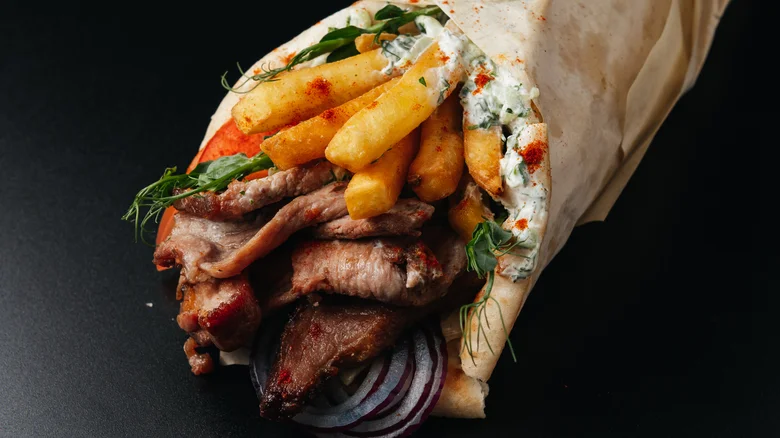
- Courtney (@courtneymomlife, 4.1k Instagram followers) – Created an Instagram reel of her family dinner at The Great Greek. She showed her followers the Lamb Kabob, Gyro, Pizza, Fries, and Baklava Ice Cream they enjoyed. The reel received over 2,000 views.
- Sofia (@sofikaram, 37.9k Instagram followers) – Shared an Instagram reel and stories showing her lunch order, including the steak soup, lamb skewers, and four-dipped combo. She raved about the delicious food.
- Varinia (@variniafood, 7k Instagram followers) – Posted Instagram stories and a reel highlighting her experience sampling menu items at The Great Greek. Her reel has received 144+ engagements.
By strategically collaborating with influencers, The Great Greek has increased its reach and engagement online. Their influencer content authentically represents their brand and drives customers to their restaurants.
Micro-Influencers
Micro-influencers are social media users with a smaller but highly engaged following, typically from 1,000 to 100,000 followers. What micro-influencers lack reach, they make up for in trust and engagement.
Some key attributes of micro-influencers:
- – Niche audience with targeted interests
- – High engagement and response rates
- – Seen as authentic experts, not celebrity endorsers
- – Affordable partnership opportunities
Partnering with micro-influencers provides many benefits for brands:
- – Authentic recommendations – Micro-influencers are passionate about their niche, and their audience trusts their recommendations. This translates to higher conversion rates.
- – Cost-effective – Working with nano and micro-influencers costs a fraction compared to celebrity sponsors. You can activate multiple partners for the price of one macro-influencer.
- – Improved localization – Micro-influencers allow you to tailor messaging and offers to specific local areas or interest groups. Their audiences relate better to localized content.
- – Fresh creative content – Micro-influencers create unique, custom content that feels authentic. Their photos, videos, and posts originally showcase your brand.
- – Higher engagement rates – Followers of micro-influencers are highly engaged. This results in better click-throughs, shares, and conversions for branded content.
For niche brands or products, partnering with targeted micro-influencers is an affordable and authentic way to reach potential new customers and drive real engagement. The Great Greek can leverage micro-influencers to create localized, customized campaigns that feel authentic and deliver results.
Macro-Influencers
Macro-influencers are influencers with a large following, typically over 100,000 followers. They have built a solid personal brand, and their opinions have swayed over a significant audience.
Partnering with macro-influencers offers several key benefits for brands:
- Wider Reach – Macro-influencers have an expansive following that provides brands with access to massive new audiences. A single post can expose your brand to thousands of new potential customers.
- Increased Awareness – With their extensive reach, macro-influencers rapidly accelerate brand awareness as many people see your brand featured.
- Credibility – Followers have established trust with macro-influencers and look to them for recommendations. Having your brand promoted by a respected influencer lends credibility.
- High Engagement – The macro-influencer posts generate strong engagement in likes, comments, and shares. This expanded reach through their followers helps increase brand visibility.
- Established Rates – Macro-influencers often have set rates for branded collaborations, given their popularity. This makes partnering straightforward.
The Great Greek has successfully collaborated with macro-influencers like Sarah, who promoted the brand to her 357K+ followers. Her posts highlighting the food and delivery service generated significant visibility and goodwill through her engaged following. As macro-influencers have sizeable audiences who know and trust them, partnering provides brands with an influential platform to get noticed.
Influencer Marketing Best Practices
Influencer marketing takes strategy and effort to do well. Here are some best practices to keep in mind:
How to Find the Right Influencers
- – Look for influencers who are respected and trusted in your niche. Their audience should match your target demographic.
- – Evaluate the engagement level on their posts – do they regularly get likes, comments, and shares? High engagement rates show an active, responsive audience.
- – Make sure the influencer’s content and aesthetics align with your brand. Their overall feed should be on-brand.
- – Prioritize working with influencers who create high-quality content and are great storytellers. Their passion should come through.
Set Clear Expectations
- – Be clear about what you want the influencer to do – the type of content, number of posts, any required messaging, etc.
- – Provide detailed guidelines on aesthetics – suggest filters, editing style, graphics to include, etc., to match your brand.
- – Give deadlines for content delivery and be responsive if influencers have questions.
- – Have an agreement detailing expectations, usage rights, and compensation.
Give Influencers Creative Control
- – While you can provide guidance, let the influencer take creative license to make content in their unique voice.
- – Don’t require them to stick to a rigid script – let their personality come through.
- – Trust their expertise in creating compelling social media content that will appeal to their audience.
- – If you require review/approval, provide feedback tactfully to protect their creative autonomy.
Measuring Success
Influencer marketing campaigns should be carefully tracked to measure performance and calculate return on investment (ROI).
Here are some key metrics to monitor:
- Impressions – The number of times the influencer content is displayed. This indicates reach.
- Engagement Rate – The number of likes, comments, shares, etc., divided by total impressions. Higher is better.
- Link Clicks – If a unique trackable link is provided, the number of clicks measures traffic driven.
- Sales – Any direct sales through special links or promo codes can be tracked. An increase in overall sales during and after campaigns can also be analyzed.
- Brand Awareness – Surveys can measure brand awareness, interest, and sentiment changes.
- Cost Per Acquisition – The influencer marketing cost divided by sales or conversions driven.
Analyzing these metrics helps determine the true ROI. While costs are easy to track, the benefits achieved through increased brand awareness, website traffic, and sales can be estimated by assigning monetary values.
Overall, influencer marketing costs only a fraction compared to traditional advertisements, with ROI ranging from $5-$20 for every $1 spent. For The Great Greek, properly executed influencer campaigns deliver excellent bang for the buck.
The Future of Influencer Marketing
Influencer marketing is expected to continue increasing in the coming years. According to Goat Agency, the influencer marketing industry will reach up to $7.14 Billion, up from $2.4 Billion in 2019.
Several key trends will shape the future evolution of influencer marketing:
- Rise of Nano and Micro-Influencers: Brands will increasingly look beyond mega influencers to nano influencers (under 10k followers) and micro-influencers (10k to 50k followers). These tiers often have higher engagement and can be more affordable for brands.
- Authenticity and Transparency: There will be greater emphasis on authenticity, transparency, and genuine connections between influencers and their audience. Disclosure and transparency about sponsored content will be critical.
- Data and Analytics: Sophisticated data and analytics will be used to track ROI and optimize influencer campaigns precisely. Metrics like engagement rate, click-through rate, and conversions will be analyzed.
- Video Content: Short-form vertical video content is expected to dominate, especially on platforms like Instagram and TikTok. Live streaming is also rising in popularity.
- Influencer Marketing Technology: More technological solutions will emerge to help brands discover and manage influencer relationships, monitor campaigns, and synthesize data.
- Consolidation: The industry will see more consolidation, with influencer marketing platforms merging and large media/tech companies acquiring startups in this space.
- Regulation: Stricter FTC (Federal Trade Commission) guidelines and requirements around sponsored content, disclosures, and data privacy will impact influencer marketing. More legal protections for influencers may also emerge.
The influencer marketing playbook will continue to evolve quickly, requiring brands to stay on top of the latest trends and innovations to succeed. However, influencer marketing shows no signs of slowing down and will only become a more vital part of the marketing mix.
Franchise Opportunities with The Great Greek Mediterranean Grill
The Great Greek Mediterranean Grill is more committed than ever to spreading brand awareness through influencer marketing. With the unwavering support of our dedicated headquarters team, we have successfully partnered with influencers to amplify our message and lead customers to your doors. If our journey and vision inspire you, and you are considering joining our franchise family, take the first step towards owning your own Great Greek Mediterranean Grill franchise today by visiting our franchise information page at https://franchise.greatgreek.com.eg.
Together, we can continue to share Greece’s delicious flavors and hospitality with the world.